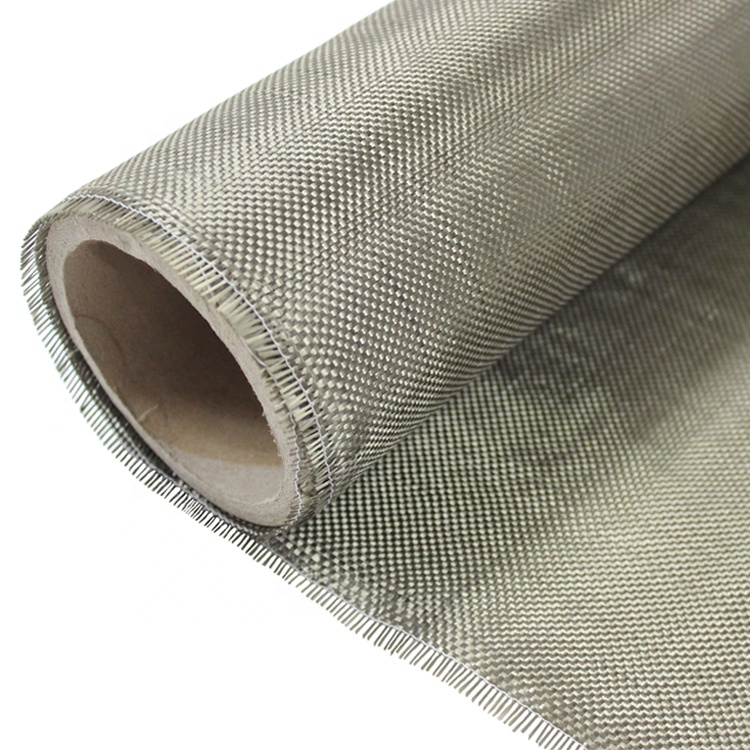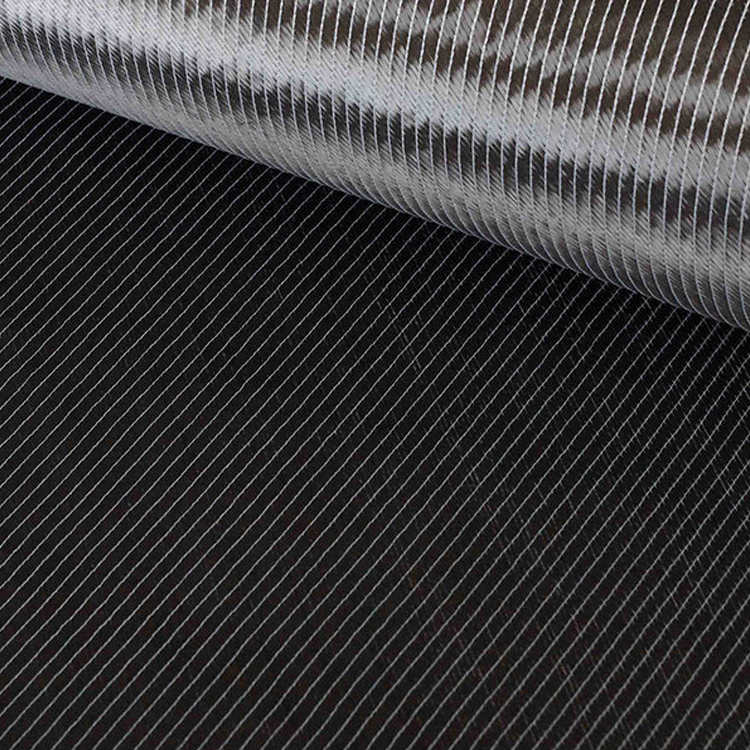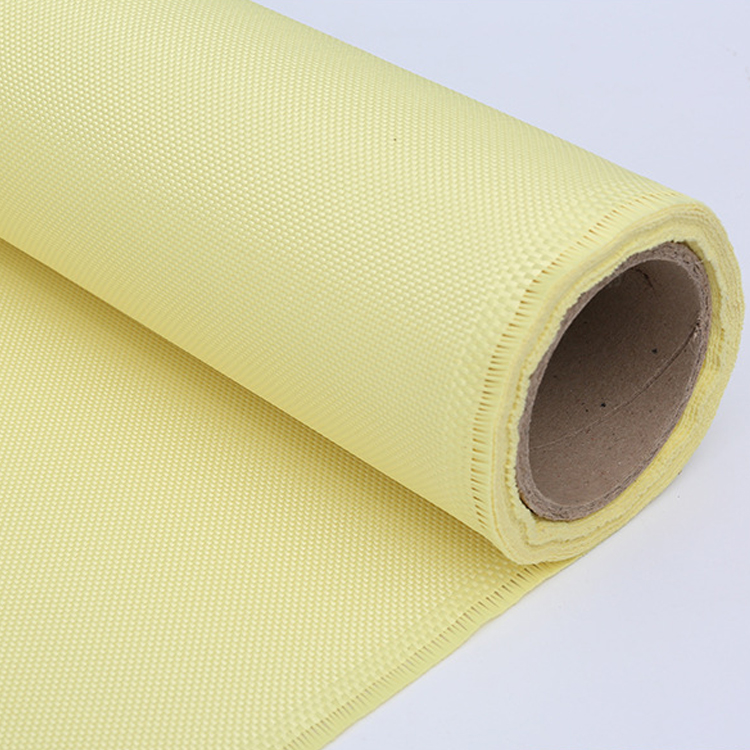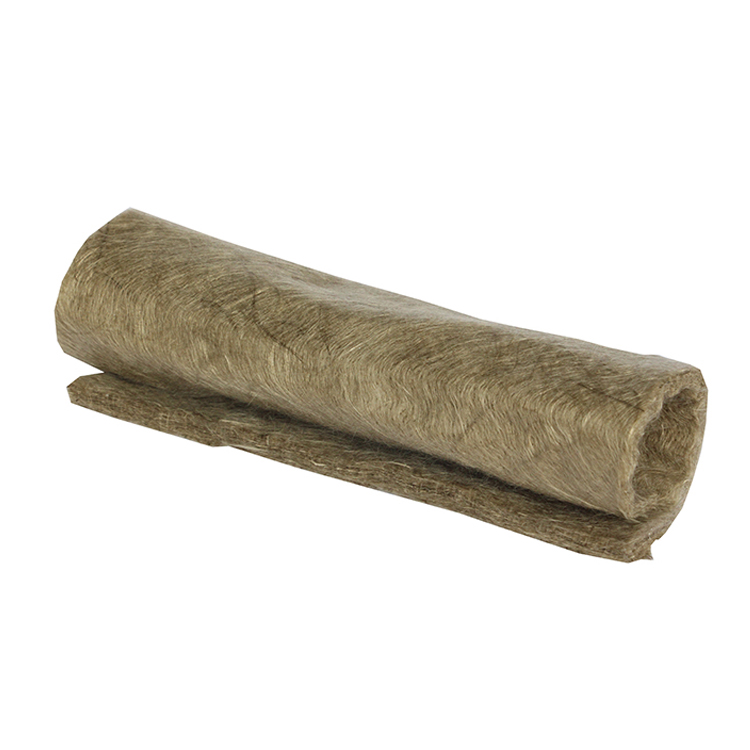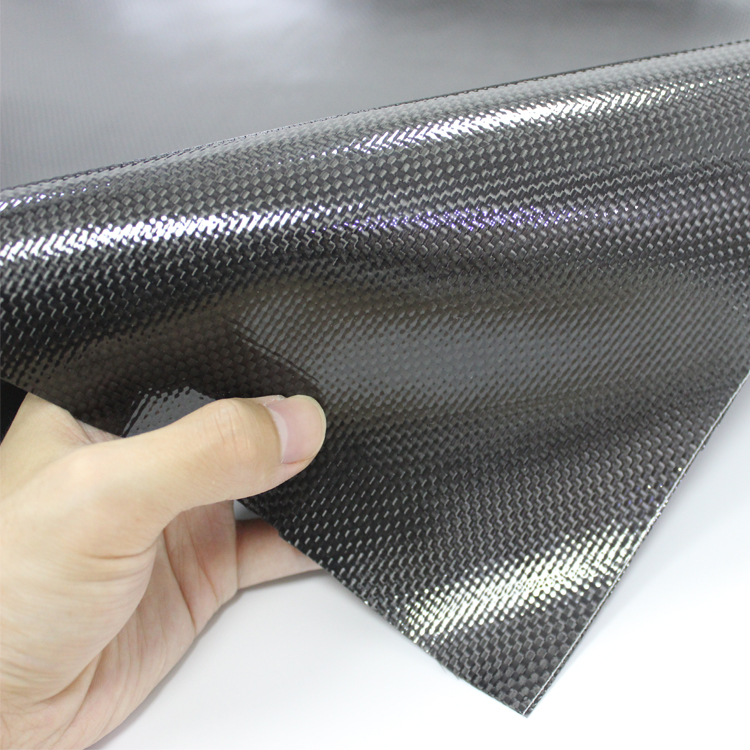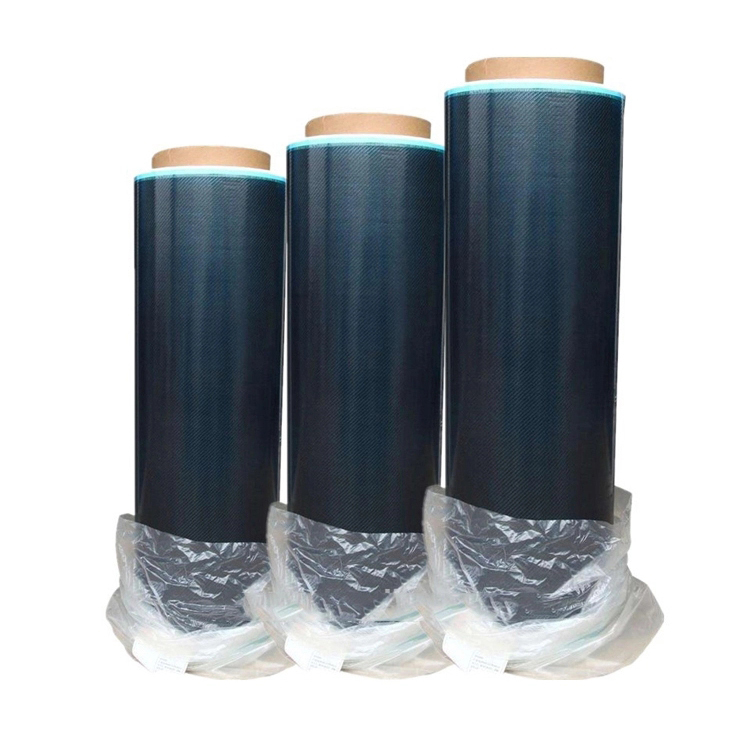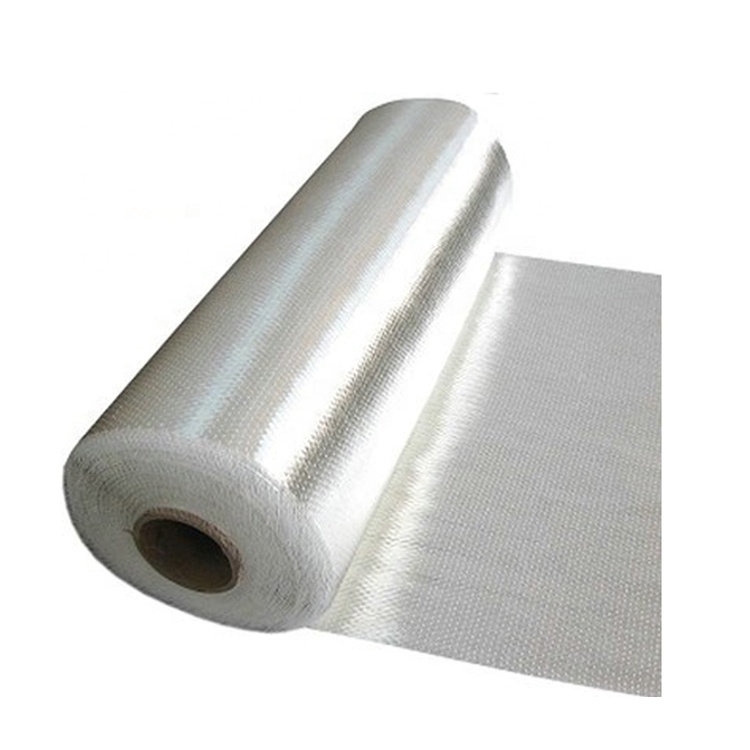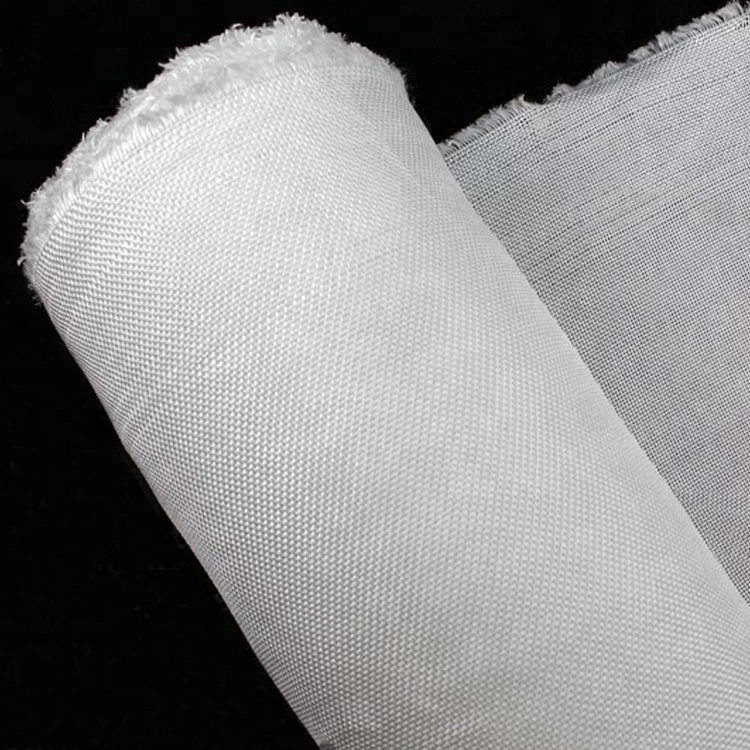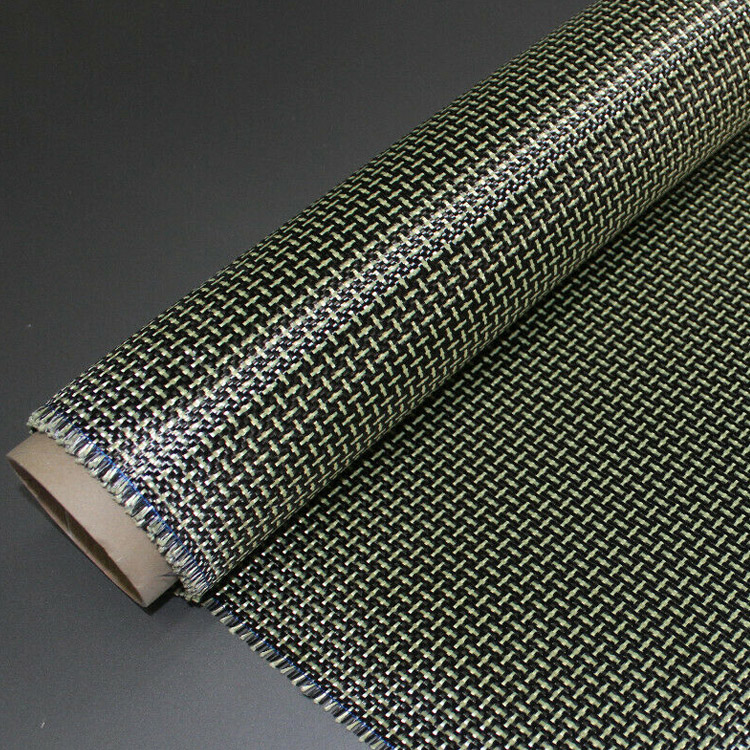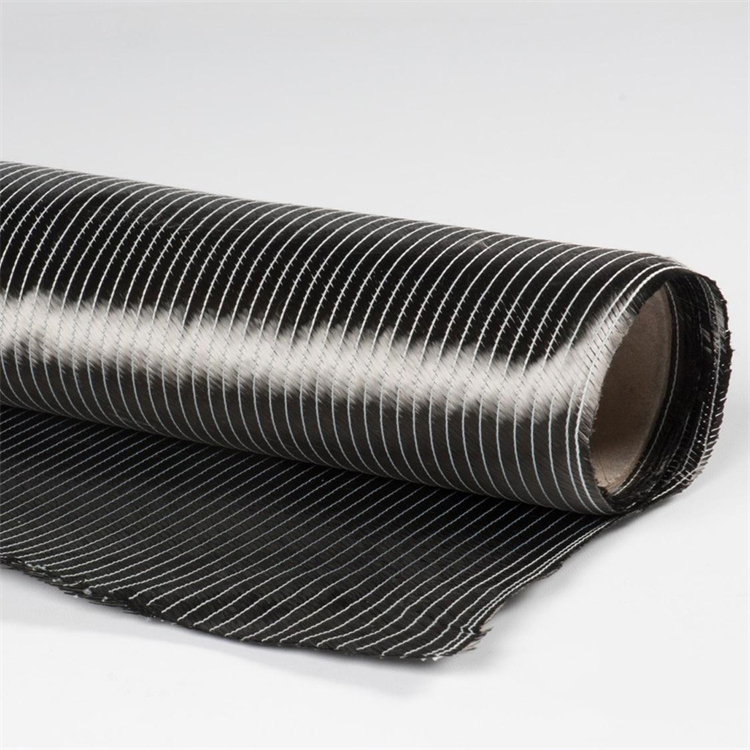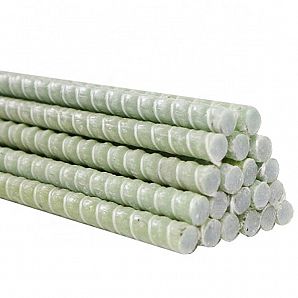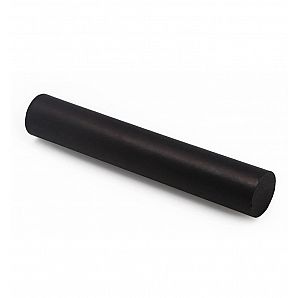
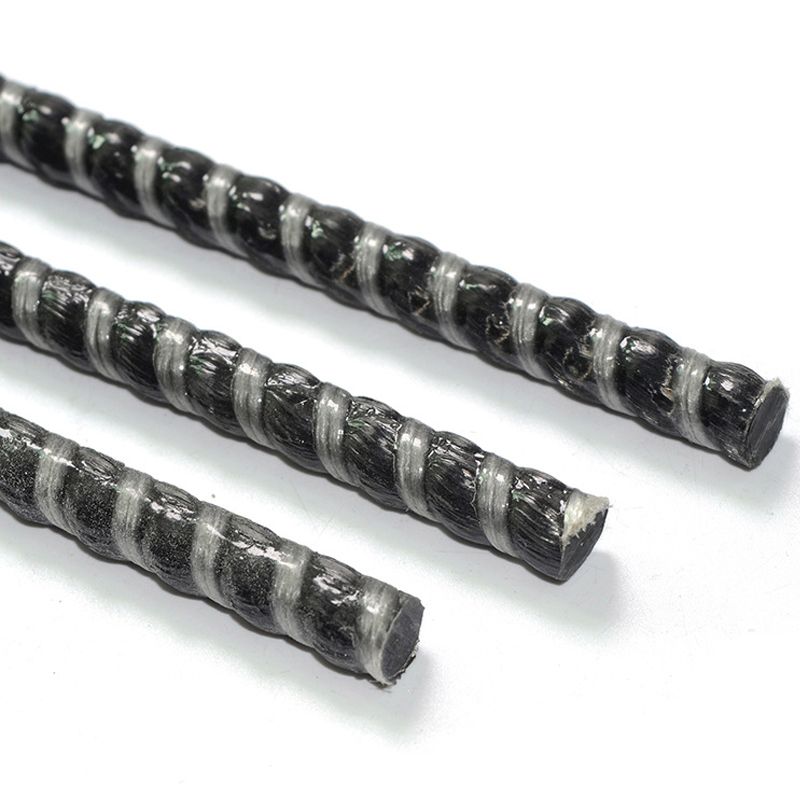
Basalt fiber rebar is an advanced composite material used in the construction industry as an alternative to traditional steel rebar. Made from basalt rock, a volcanic rock found abundantly in various parts of the world, basalt fibers are produced by melting the rock at high temperatures and then extruding it into fibers. These fibers are then pultruded with a resin binder to form rebar, providing a strong, durable, and corrosion-resistant alternative to steel.
Feature:
Corrosion Resistance:
Unlike steel, basalt fiber rebar is highly resistant to corrosion, which makes it ideal for use in environments that are aggressive to steel, such as marine structures, roads using deicing salts, and structures exposed to harsh chemicals.
High Tensile Strength:
Basalt fiber rebar has a higher tensile strength than steel, allowing for a more efficient use of material and potentially reducing the overall weight of the structure.
Non-Magnetic and Non-Conductive:
This material is non-magnetic and non-conductive, making it suitable for constructions where interference with magnetic fields and electrical conductivity can be problematic, such as in MRI facilities and electrical substations.
Lightweight:
Basalt fiber rebar is about 75% lighter than steel, which reduces the overall weight of the concrete structures and can significantly lower construction costs, particularly in terms of transportation and handling.
Thermal Stability:
It has a low thermal conductivity and remains stable across a wide range of temperatures, making it suitable for both hot and cold climates.
Sustainability:
Basalt fiber rebar is more environmentally friendly than steel rebar. Basalt rock requires less energy to convert into rebar and the material is more abundant than steel, reducing the environmental footprint associated with mining and processing.
Application:
Civil Infrastructure:
Basalt fiber rebar is used in the construction of bridges, highways, and tunnels where longevity and durability are critical.
Marine Structures:
It's ideal for docks, seawalls, and other structures that are exposed to seawater, which can rapidly degrade steel rebar.
Buildings:
Especially useful in the construction of buildings in corrosive environments or where non-magnetic properties are needed.
Roads and Pavements:
In road construction, particularly in areas that use deicing salts which can accelerate the corrosion of steel rebar.
Landscaping and Water Features:
Used in outdoor concrete applications where aesthetics and long-term durability are important, avoiding the staining and deterioration associated with steel rebar corrosion.
Specification:
Code | Nominal Diameter (mm) | Nominal Cross section Section Area(mm2) | Weight (g/m) | Roll Length (m) |
BF611R/4 | 4 | 12.57 | 25 | 100-500 |
BF611R/6 | 6 | 28.27 | 56 | |
BF611R/8 | 8 | 50.27 | 100 | |
BF611R/10 | 10 | 78.54 | 158 | |
BF611R/12 | 12 | 113.10 | 227 | |
BF611R/16 | 16 | 201.10 | 405 | According to customers’ requested |
BF611R/19 | 19 | 295.50 | 592 | |
BF611R/22 | 22 | 382.73 | 768 | |
BF611R/25 | 25 | 537.90 | 1076 |
*Specific products could be made according to customers requirements.