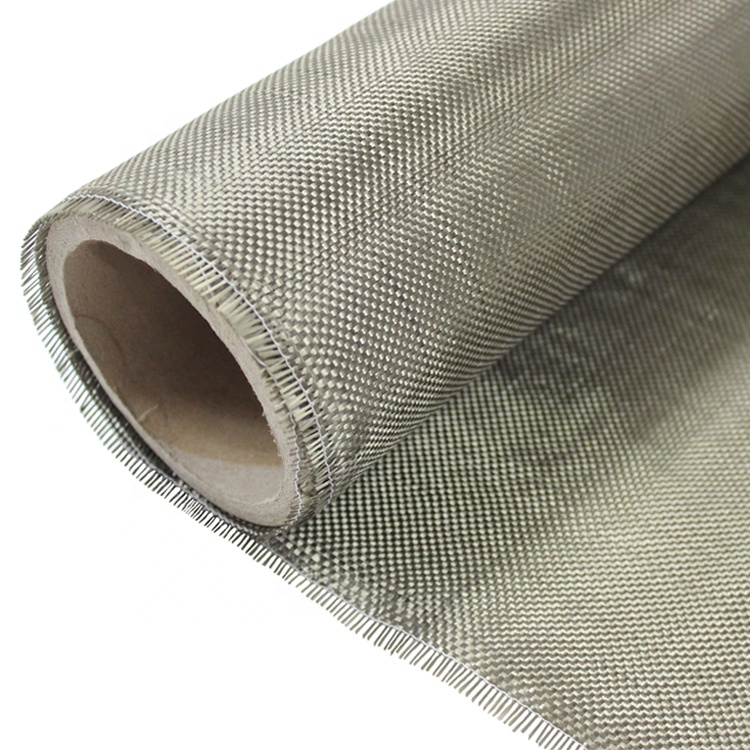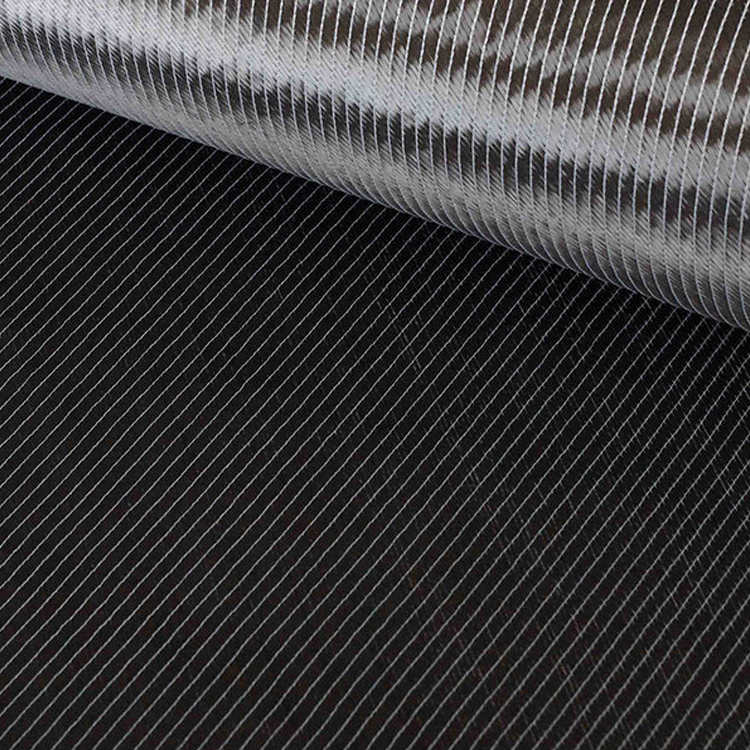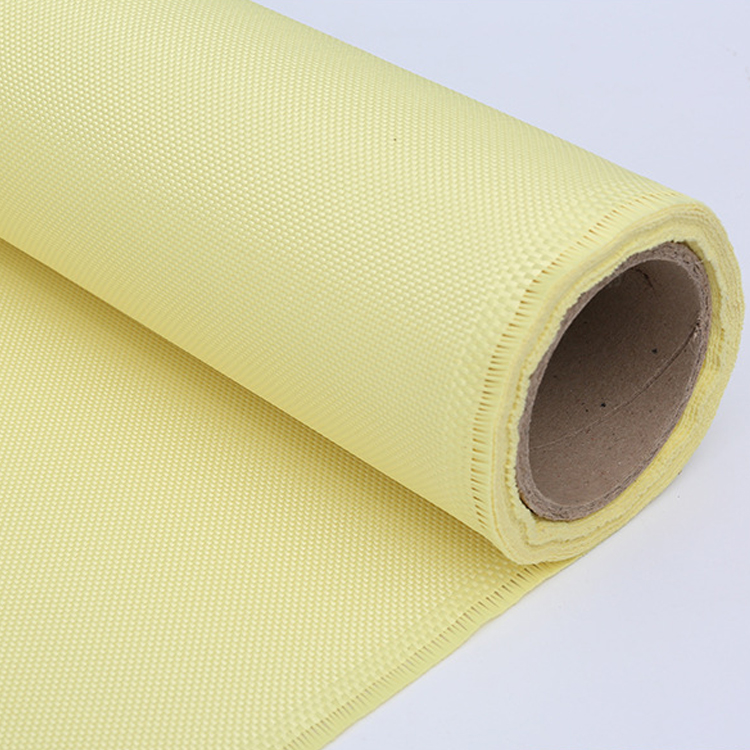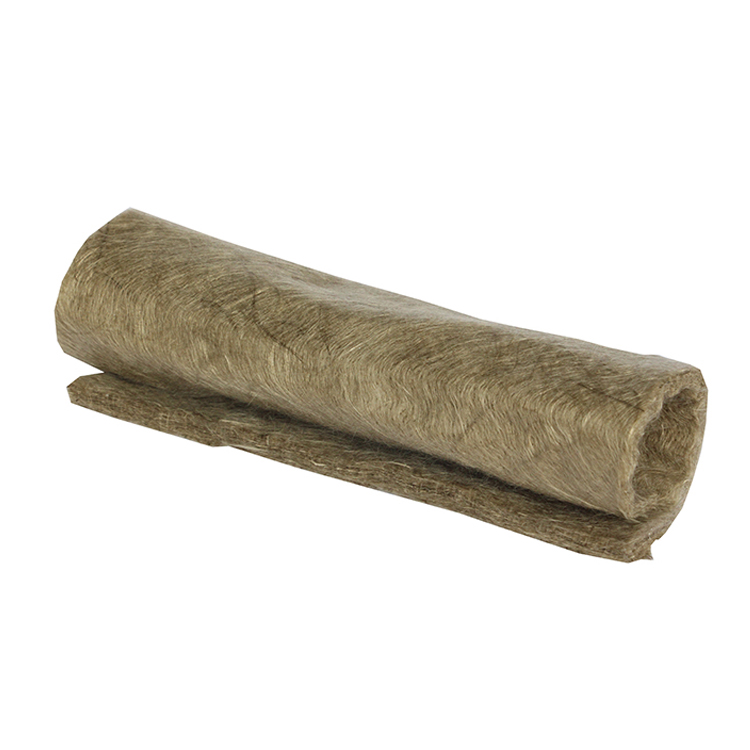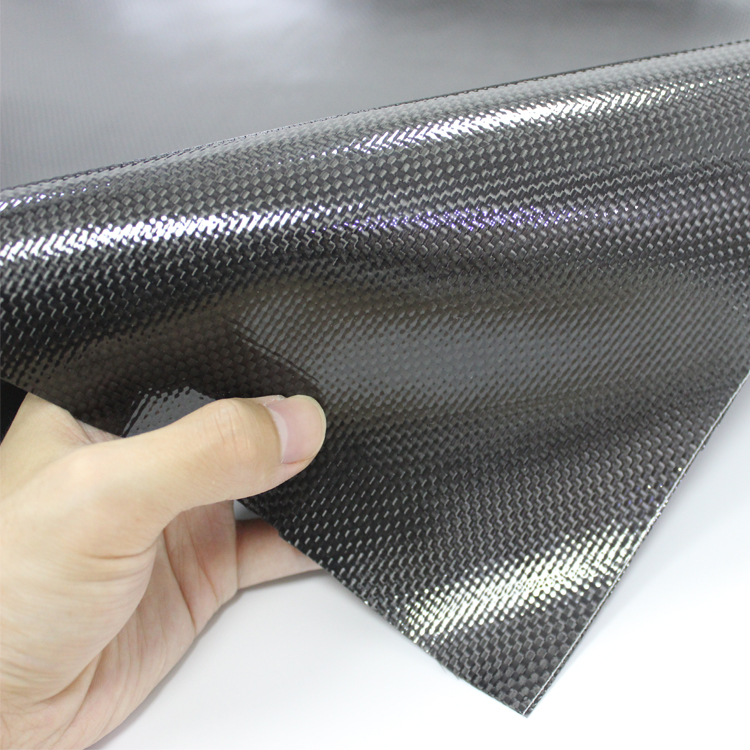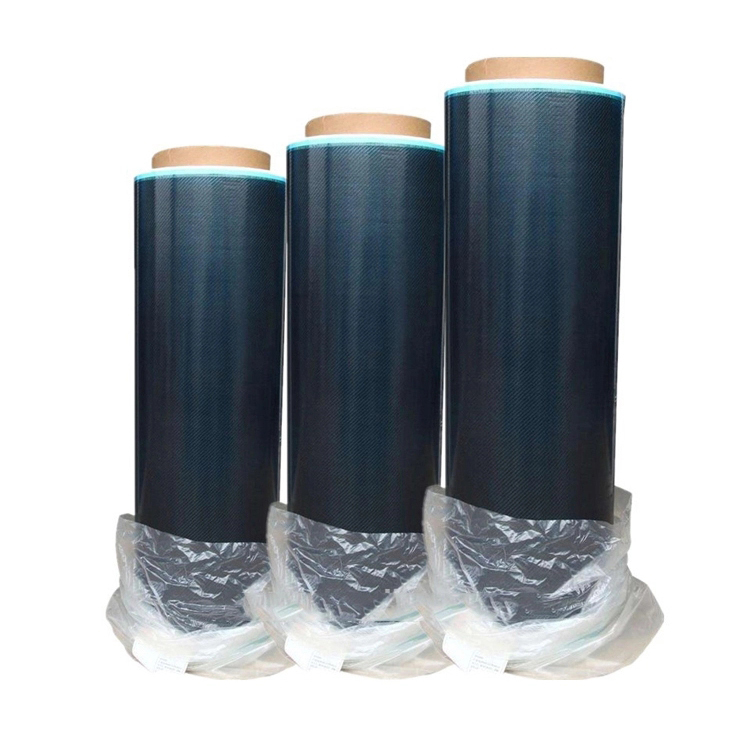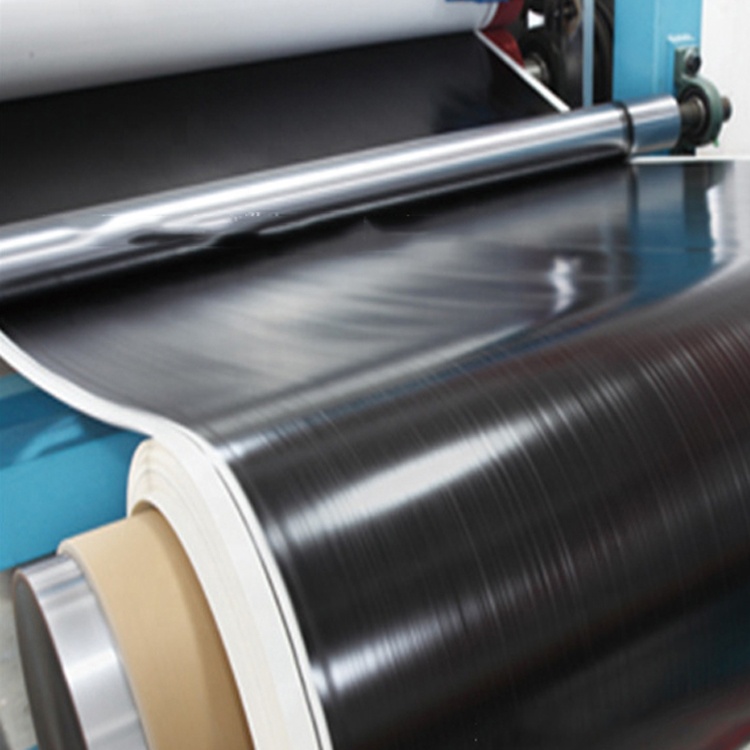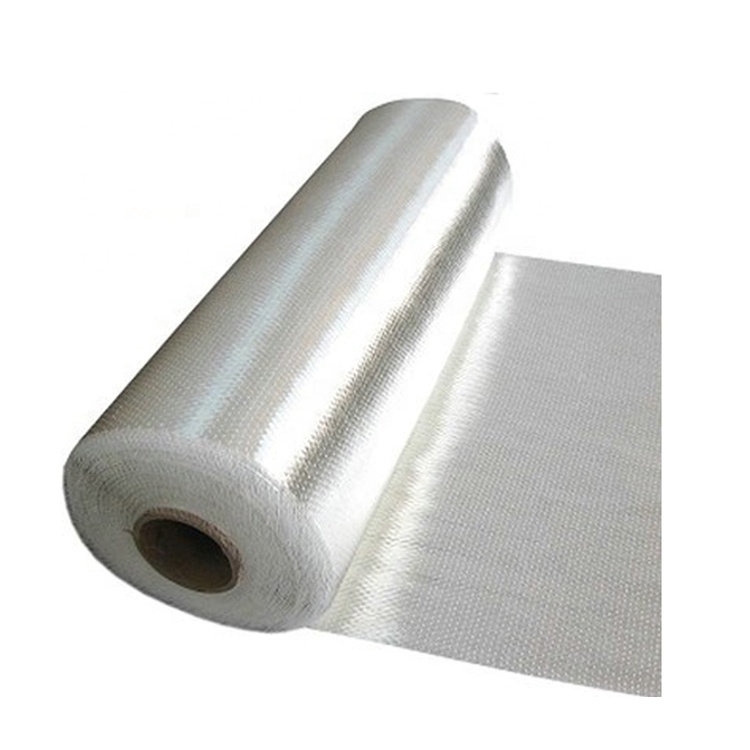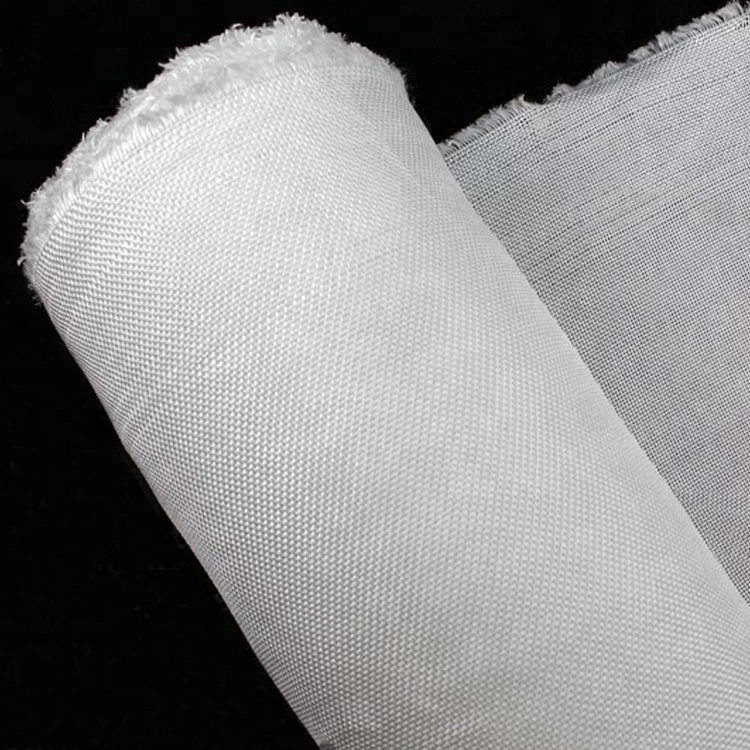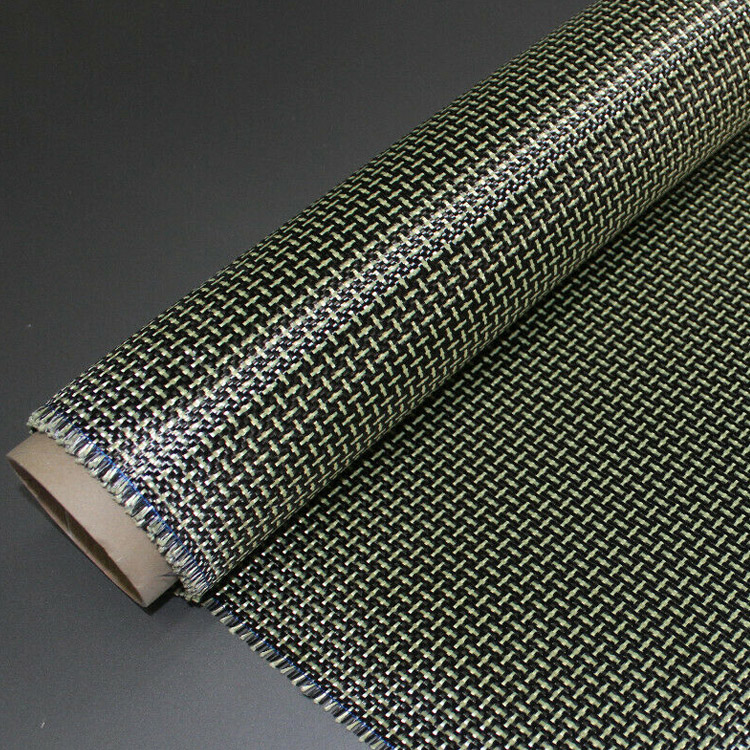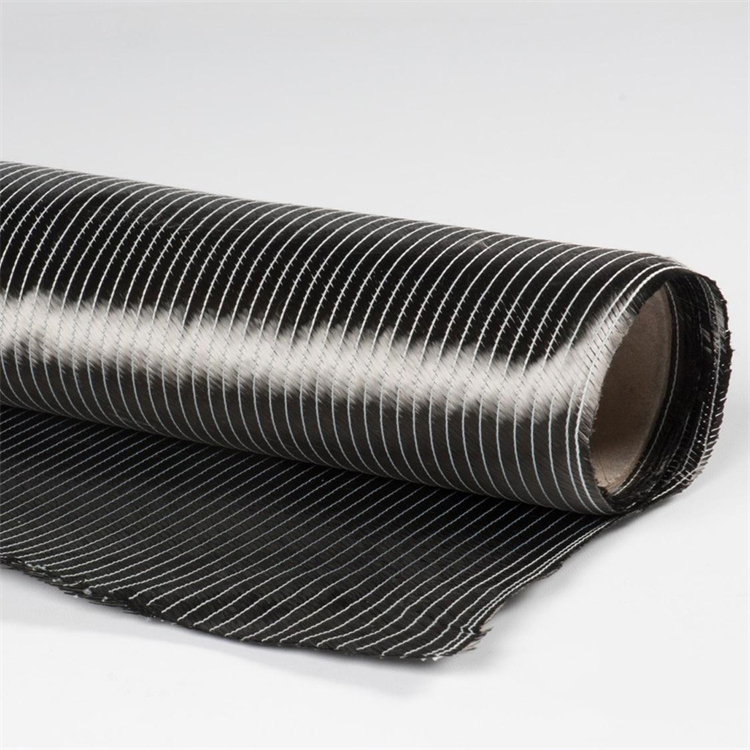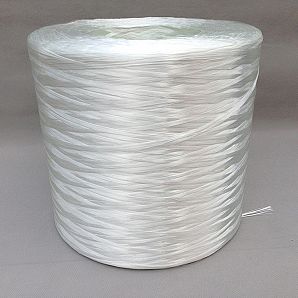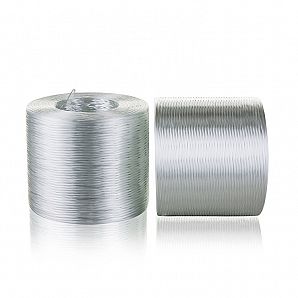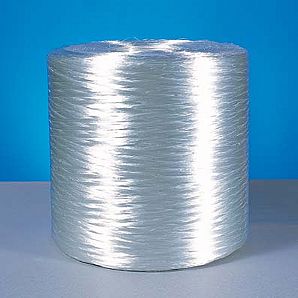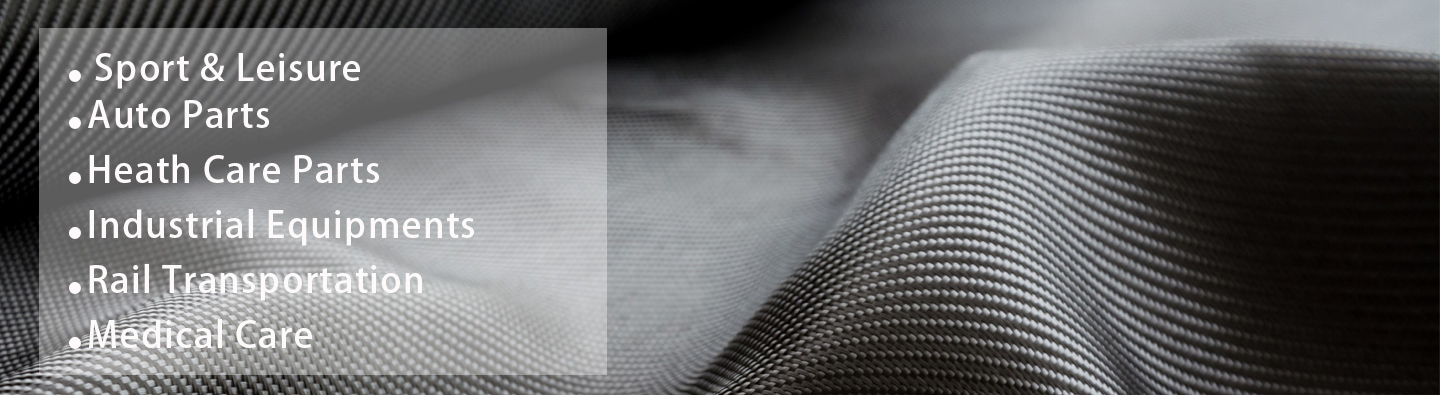

S-glass roving, a high-performance reinforcement material made of untwisted continuous glass filaments, boasts superior tensile strength and modulus compared to E-glass. Widely applied in aerospace, automotive, marine, and sports equipment industries, it enhances the strength and durability of components such as aircraft parts, automotive body panels, boat structures, and sports gear like tennis rackets. Its versatility makes S-glass roving a key player in creating advanced composite structures across various sectors.
Feature:
High tensile strength:
S-glass roving has tensile strength higher than E-glass, often exceeding 3,400 MPa. This makes it ideal for high-stress applications.
High modulus of elasticity:
It is stiffer compared to other types of glass fibers, which improves the mechanical properties of composite materials.
Good impact resistance:
S-glass roving offers excellent resistance to impacts, making it useful in applications where the material needs to withstand sudden forces or impacts.
Corrosion resistance:
Like other glass fibers, S-glass is highly resistant to corrosion from chemicals and moisture, which makes it suitable for use in harsh environmental conditions.
Lightweight:
Despite its strength, S-glass is relatively lightweight compared to metals, making it an excellent material for aerospace and automotive applications.
Thermal stability:
S-glass can withstand high temperatures without losing its structural integrity, though it is typically used at temperatures up to 500°C.
Application:
Aerospace:
S-glass roving is often used in the construction of aircraft components due to its high strength-to-weight ratio and ability to resist extreme stresses.
Automotive industry:
It is used for reinforcing parts such as bumpers, hoods, and other components where weight reduction and strength are critical.
Marine:
The marine industry uses S-glass roving for boat hulls, decking, and other structural parts that require both strength and durability.
Sports equipment:
Items such as golf clubs, skis, and bicycles can be reinforced with S-glass roving to improve performance and reduce weight.
Wind energy:
S-glass roving is used in the construction of wind turbine blades, where strength and lightweight materials are essential for efficiency.
Construction:
In some cases, S-glass is used for reinforcing concrete or other building materials to enhance their structural performance.
Specification:
Tex | Yield |
240 | 2067 |
400 | 1250 |
480 | 1034 |
600 | 827 |
660 | 750 |
735 | 675 |
800 | 606 |
1200 | 423 |
1980 | 250 |
2400 | 206 |
*Specific products could be made according to customers requirements.