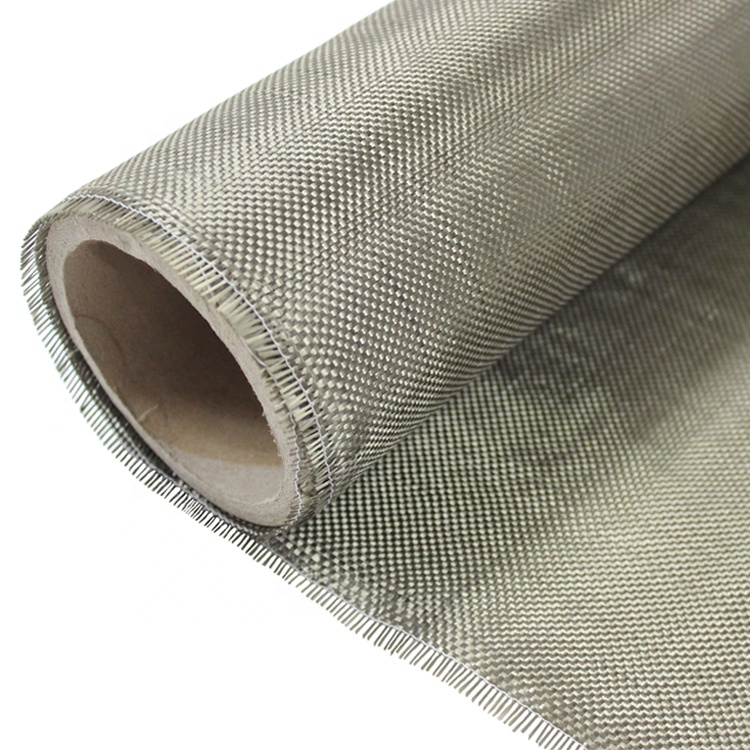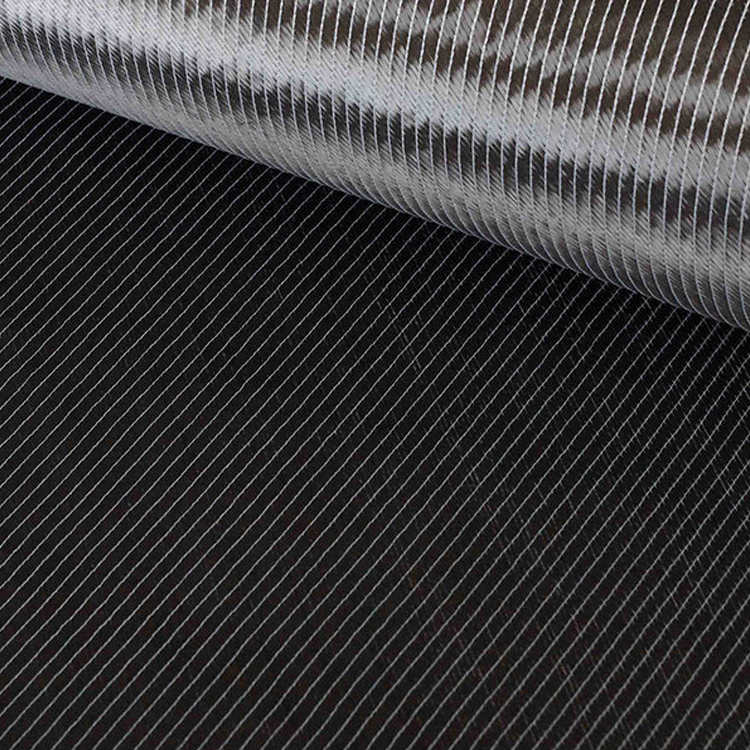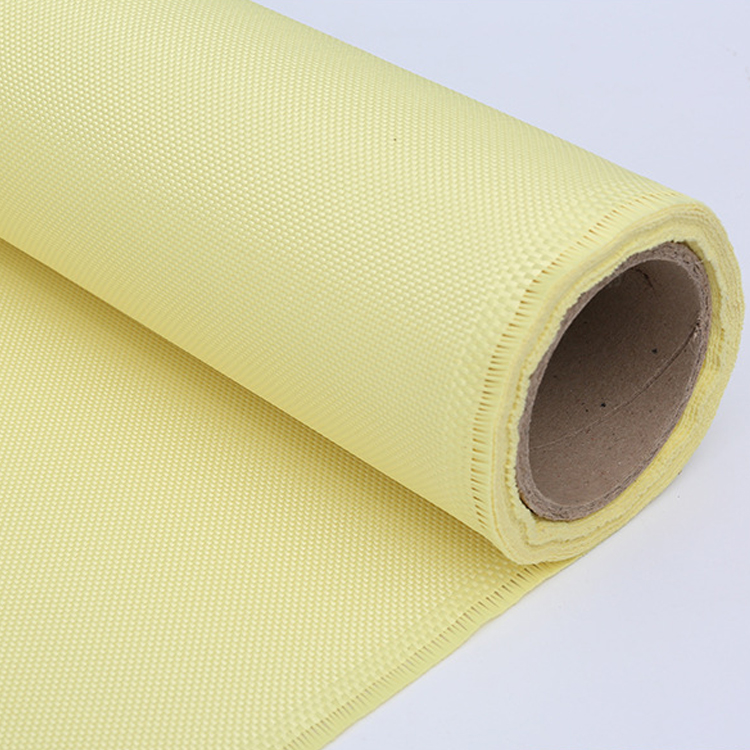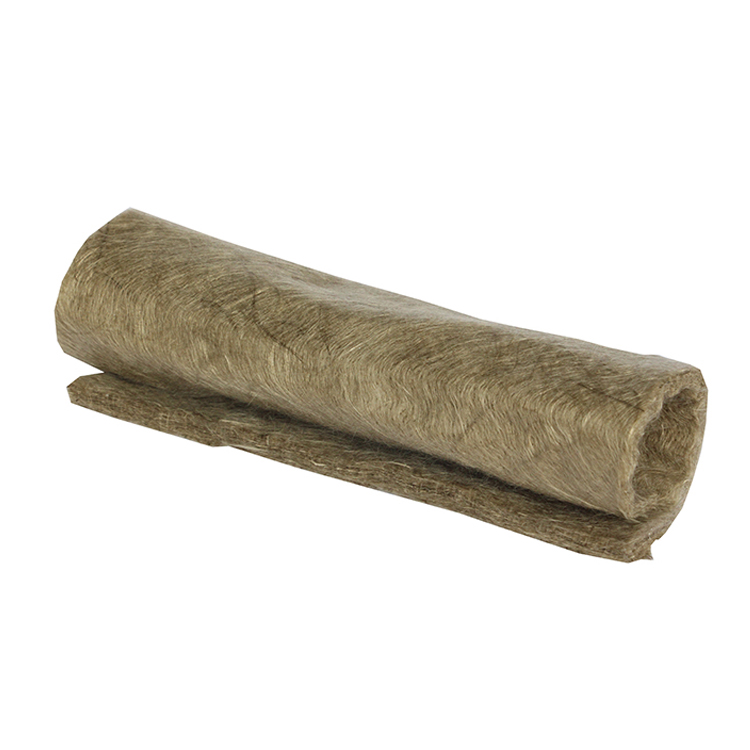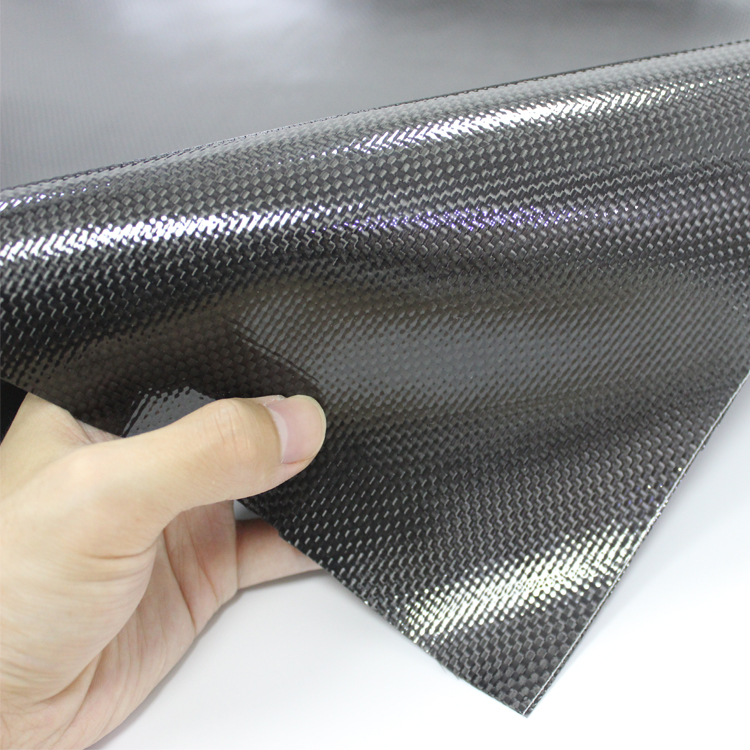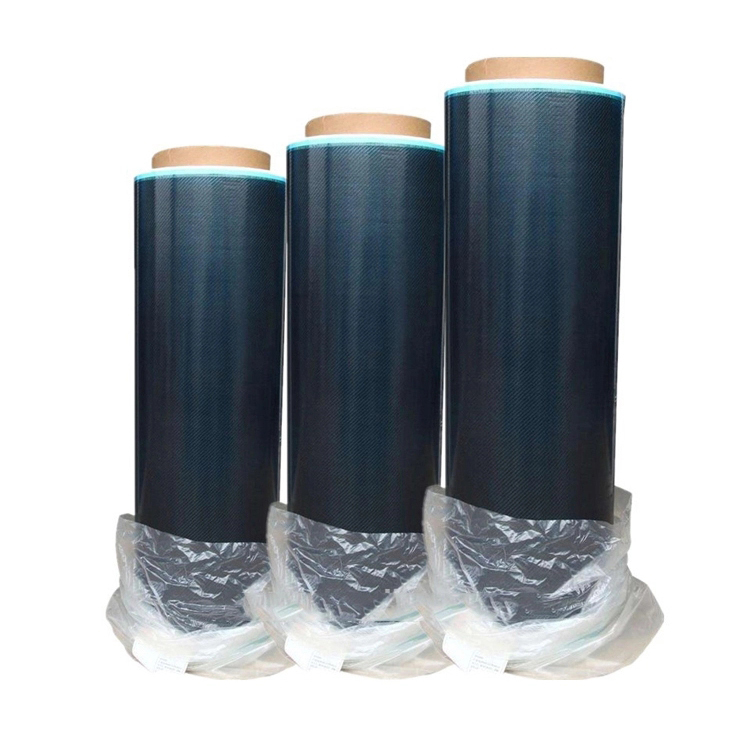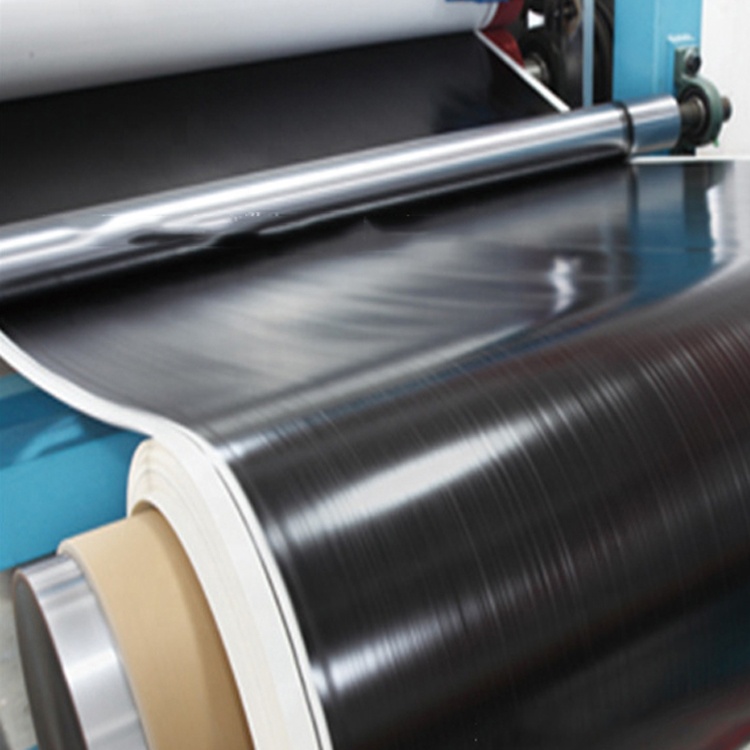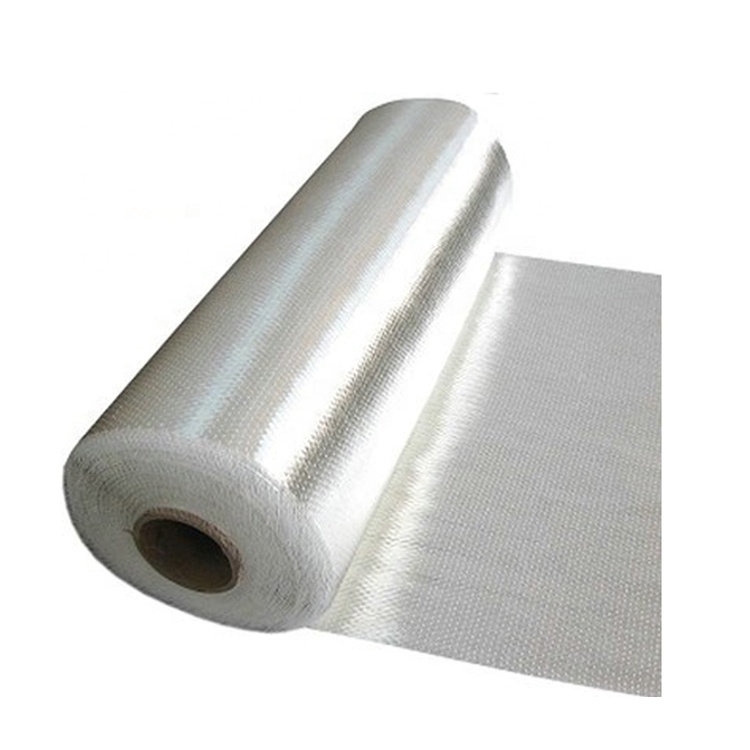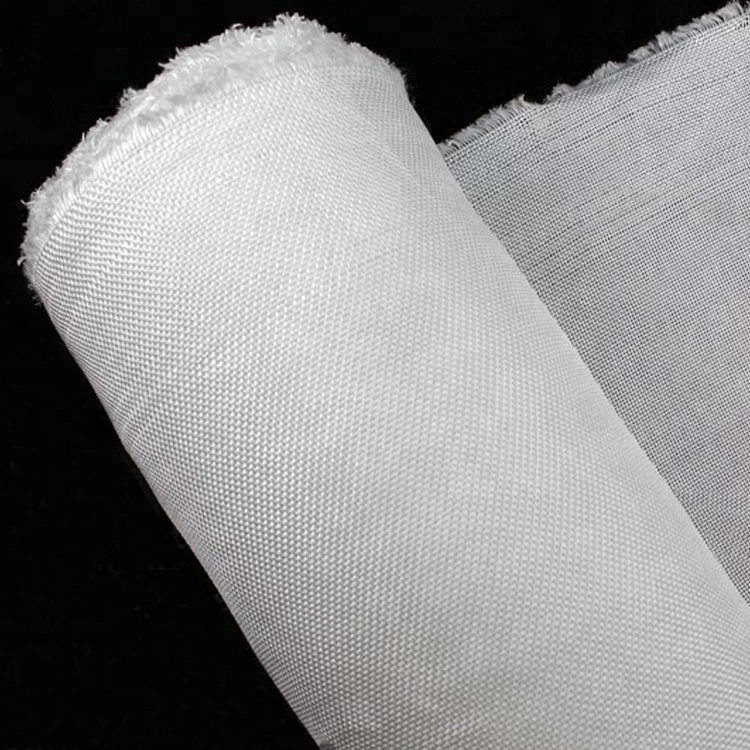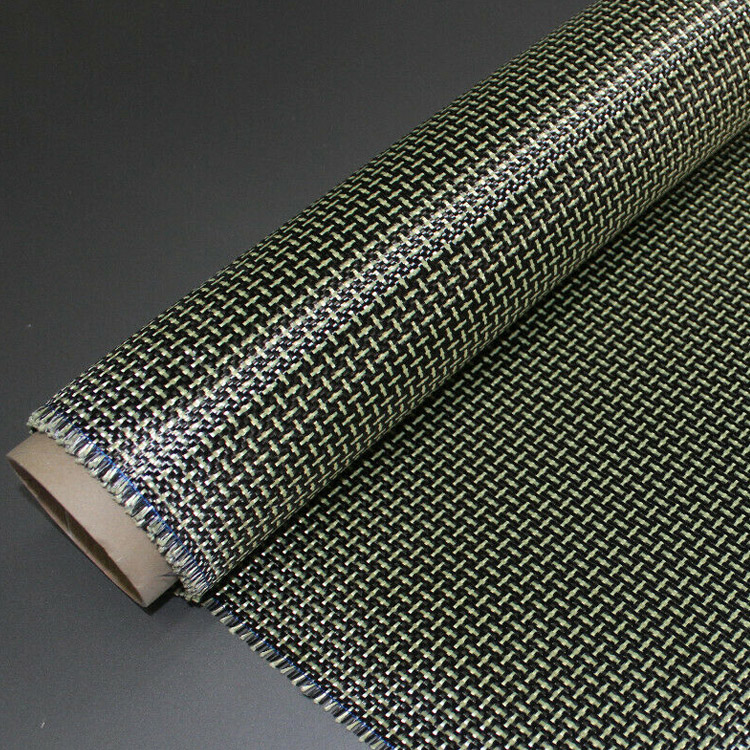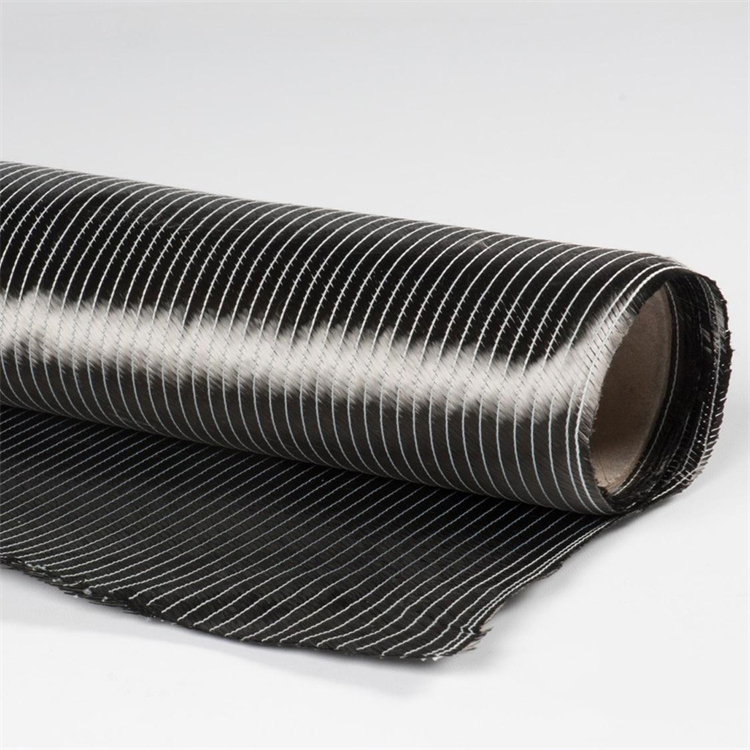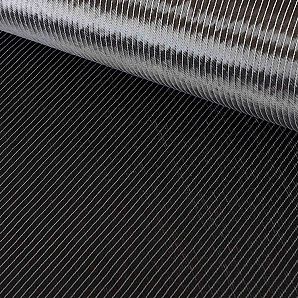

Silicon carbide (SiC) Fiber Cloth is a high-performance composite material, typically composed of silicon carbide (SiC) fibers and a matrix material, with excellent properties such as high-temperature resistance, corrosion resistance, and oxidation resistance. It is mainly used in fields that require exposure to high-temperature environments, such as aerospace, automotive, electronics, and high-temperature industrial equipment.
Feature:
Ultra-High Temperature Stability:
Its most prominent feature. SiC fiber fabric can operate long-term in inert atmospheres at 1200°C - 1400°C, and withstand short-term exposure at 1600°C or higher – far exceeding traditional glass and aramid fibers.
Exceptional Oxidation Resistance:
In high-temperature air environments, it forms a dense protective silica layer, preventing further internal oxidation. Thus, its performance in high-temperature oxidizing atmospheres far surpasses that of carbon fiber.
High Strength and High Modulus:
Possesses high tensile strength and elastic modulus, effectively reinforcing composites.
Excellent Chemical Corrosion Resistance:
Demonstrates strong resistance to acids, alkalis, and other chemicals.
Good Radiation Resistance:
Stable performance in nuclear radiation environments.
Moderate Thermal/Electrical Conductivity:
Conductivity (typically exhibiting semiconductor properties) can be adjusted via composition and processing as needed.
Application:
Aerospace:
Reinforcement material for hot-section components in aero-engines (e.g., nozzles, combustor liners, turbine shrouds) in Ceramic Matrix Composites (CMCs).
Leading edges and thermal protection systems for hypersonic vehicles.
Thermal management and structural components for satellites and space probes.
Nuclear Industry:
Reinforcement for key components (e.g., fuel cladding, reflectors, control rods) in nuclear reactors (especially Gen-IV and fusion reactors) within SiC/SiC composites, due to superior radiation resistance and high-temperature stability.
Military & Defense:
Missile and rocket engine nozzles and casings.
Armor materials.
Industrial Sector:
High-temperature gas filtration materials (e.g., for processing hot flue gases).
High-performance brake pads.
Insulation materials or reinforcements for high-temperature furnaces and kilns.
Hot-zone components in semiconductor manufacturing equipment.
Specification:
Code | Fiber Type | Weave | Warp and Weft Density Ends/cm | Weight g/m2 | Thickness mm | ||
Warp | Weft | Warp | Weft | ||||
ZR-200-P-185 | Zeralon200 | Zeralon200 | Plain | 9 | 9 | 185±10 | 0.19±0.02 |
ZR-200-P-205 | Zeralon200 | Zeralon200 | Plain | 10 | 10 | 205±10 | 0.20±0.02 |
ZR-200-T-185 | Zeralon200 | Zeralon200 | Twill | 9 | 9 | 185±10 | 0.19±0.02 |
ZR-200-T-205 | Zeralon200 | Zeralon200 | Twill | 10 | 10 | 205±10 | 0.20±0.02 |
ZR-200-S-185 | Zeralon200 | Zeralon200 | Satin | 9 | 9 | 185±10 | 0.19±0.02 |
ZR-S20-P-185 | ZeralonS20 | ZeralonS20 | Plain | 9 | 9 | 185±10 | 0.19±0.02 |
ZR-S20-P-205 | ZeralonS20 | ZeralonS20 | Plain | 10 | 10 | 205±10 | 0.20±0.02 |
ZR-S20-T-185 | ZeralonS20 | ZeralonS20 | Twill | 9 | 9 | 185±10 | 0.19±0.02 |
ZR-S20-T-205 | ZeralonS20 | ZeralonS20 | Twill | 10 | 10 | 205±10 | 0.20±0.02 |
ZR-S20-S-185 | ZeralonS20 | ZeralonS20 | Satin | 9 | 9 | 185±10 | 0.19±0.02 |
ZR-201-P-290 | Zeralon201 | Zeralon201 | Plain | 7 | 7 | 290±20 | 0.23±0.02 |
ZR-201-T-290 | Zeralon201 | Zeralon201 | Twill | 7 | 7 | 290±20 | 0.23±0.02 |